
Introduction
The modern beverage industry operates in a fiercely competitive global marketplace where consumer preferences shift rapidly and operational efficiency dictates market survival. Says Andrew Garson, traditional supply chain management, historically reliant on reactive strategies and manual oversight, no longer suffices to meet the rigorous demands of contemporary manufacturing. To maintain profitability and relevance, beverage producers must pivot toward advanced operational frameworks that integrate digital intelligence into every phase of the production lifecycle.
At the center of this industrial transformation is the integration of smart supply chains, which utilize cutting-edge technologies to optimize processes from raw material sourcing to the final point of retail delivery. By leveraging data-driven insights and automated systems, companies can mitigate risks, reduce waste, and respond dynamically to market fluctuations. This article explores the core components and strategic advantages of implementing intelligent supply chain models within modern beverage production.
IoT Integration and Real-Time Visibility
The foundation of any smart supply chain in the beverage sector rests upon the deployment of Internet of Things sensors and connected monitoring devices. These technologies provide unprecedented visibility into the movement and condition of ingredients, packaging materials, and finished goods across the entire logistics network. Producers can track critical parameters such as temperature, humidity, and location in real-time, ensuring that sensitive beverages like craft beer, dairy-based drinks, and fresh juices maintain optimal quality throughout transit.
Furthermore, real-time data collection significantly minimizes inventory discrepancies and eliminates blind spots that traditionally plagued complex distribution networks. Logistics managers can immediately identify bottlenecks, reroute shipments to avoid delays, and verify compliance with stringent regulatory standards governing food and beverage safety. This continuous flow of operational intelligence empowers organizations to transition from reactive troubleshooting to proactive supply chain governance.
Advanced Predictive Analytics and Demand Forecasting
Accurate demand forecasting remains one of the most persistent challenges in beverage manufacturing, where product lifecycles can be short and consumption patterns are heavily influenced by external factors. Smart supply chains leverage advanced predictive analytics, machine learning algorithms, and historical sales data to forecast consumer demand with remarkable precision. By analyzing variables such as seasonal weather trends, local events, and macroeconomic indicators, producers can align their manufacturing schedules directly with actual market consumption rather than relying on generalized estimations.
This heightened predictive capability translates directly into optimized inventory management and minimized capital immobilization within warehouses. Manufacturers can reduce overproduction and mitigate the risks associated with expired raw materials or unsold seasonal product lines. Consequently, procurement teams can negotiate better terms with suppliers through long-term planning, securing optimal pricing and guaranteed material availability without risking surplus storage overheads.
Automated Warehousing and Smart Manufacturing
Inside the production facility and distribution center, automation serves as a primary driver of efficiency within the smart supply chain ecosystem. Automated guided vehicles, robotic picking systems, and high-density storage solutions streamline material handling and reduce the reliance on manual labor for repetitive tasks. These technologies accelerate throughput rates, minimize human error, and ensure that finished beverage products are handled with the utmost precision from bottling lines to delivery trucks.
Moreover, the integration of smart manufacturing systems allows production machinery to communicate directly with inventory management platforms. When raw material levels dip below pre-determined thresholds, automated reordering protocols initiate procurement processes without human intervention. This seamless synchronization between factory floors and supply networks creates a self-regulating production environment that maximizes asset utilization and significantly compresses order fulfillment cycles.
Sustainable Logistics and Circular Economies
Modern consumers and regulatory bodies increasingly demand environmental accountability from the beverage industry, making sustainability a critical component of supply chain strategy. Smart supply chains facilitate eco-friendly operations by optimizing transportation routes, reducing fuel consumption, and lowering the carbon footprint associated with long-haul distribution. Advanced routing software calculates the most efficient delivery paths, factoring in traffic patterns and vehicle load capacities to minimize environmental impact.
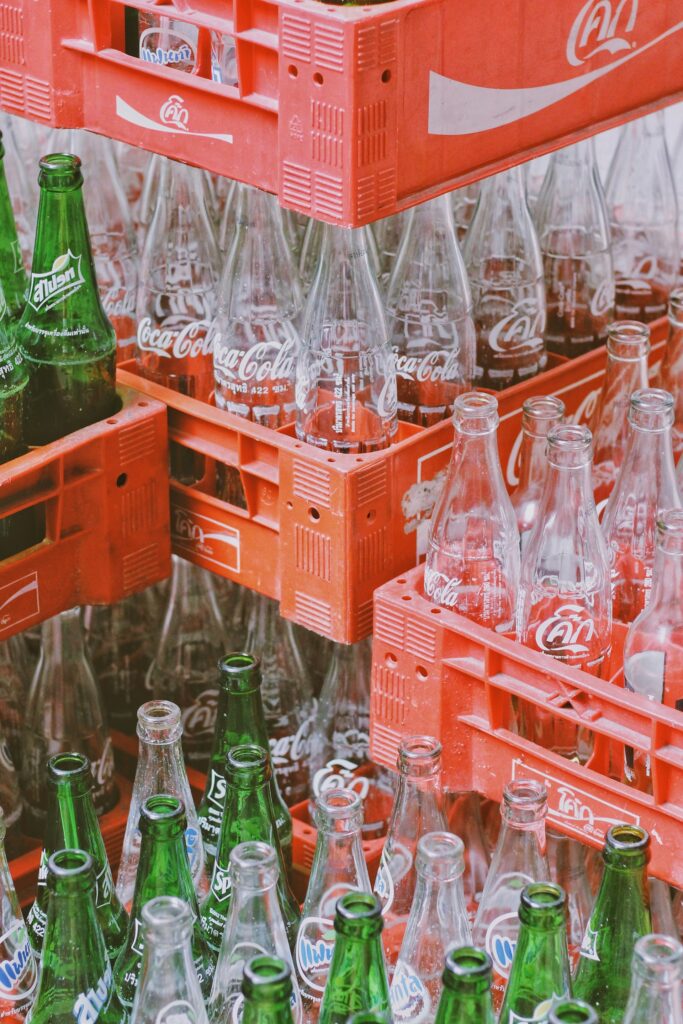
In addition to transportation efficiencies, smart supply chains support the implementation of circular economy principles by tracking reusable packaging assets such as glass bottles and kegs. Enhanced traceability ensures higher recovery rates for returnable containers, significantly decreasing material waste and resource consumption. By embedding sustainability metrics into core supply chain analytics, beverage producers can achieve corporate environmental goals while simultaneously reducing operational expenditures.
Conclusion
The evolution of smart supply chains represents a fundamental shift in how modern beverage production is conceived, executed, and managed. By embracing technologies such as the Internet of Things, predictive analytics, automated warehousing, and sustainable logistics, manufacturers can achieve unprecedented levels of agility, resilience, and operational excellence. These digital capabilities not only protect product quality and reduce operational costs but also provide the strategic flexibility required to navigate an increasingly complex global marketplace.
Ultimately, the successful adoption of intelligent supply chain practices distinguishes industry leaders from their competitors. As consumer expectations continue to rise and market conditions remain unpredictable, ongoing investment in digital supply chain infrastructure will remain a paramount priority. Beverage producers that commit to these advanced methodologies will secure long-term viability, customer loyalty, and sustainable growth in the years ahead.